Gnome Love: A Designer's Review for Craft Fair Success
As an embroidery designer who has spent countless hours prepping booths for weekend craft fairs, I know that the difference between a slow Saturday and a sold-out display often comes down to the designs we choose. When I first pulled up the Gnome Love digital embroidery file, my immediate thought was about its potential as a high-converting craft fair product. The description promises something fun, easy to stitch, yet elegant and gorgeous. In the world of handmade goods, balancing "fun" with "elegant" is the holy grail, especially when targeting the Valentine S Day market where customers want whimsy without sacrificing quality.
First Impressions and Market Appeal
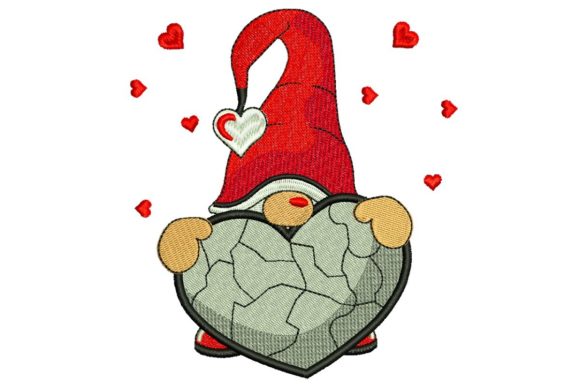
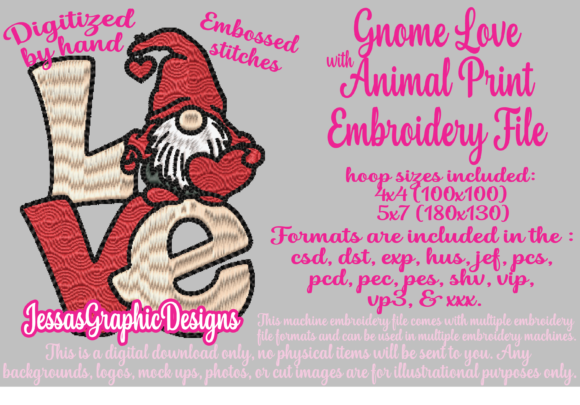
The title Gnome Love instantly sets a specific mood. It suggests a blend of rustic farmhouse charm and sweet affection. For an Etsy seller or boutique maker, this duality is powerful. Gnomes have moved past being a fleeting trend to become a staple in the home decor and apparel sectors. When I visualize this design on a table full of samples, it feels approachable. It isn't overly complex, which means it reads well from a distance—a critical factor when customers are walking past your booth. The promise of it being "easy to stitch" tells me the stitch density is likely manageable, reducing the risk of thread breaks during batch production. This design feels soft, decorative, and perfectly suited for the current demand for cozy, personalized items.
Strategic Product Placement for Maximum Sales
In my experience, the success of a machine embroidery design depends entirely on the canvas you choose. Based on the product notes stating it works great for shirts, dresses, bibs, and hats, here is how I would deploy Gnome Love across a craft fair display:
- Tote Bags and Market Bags: This is likely the strongest contender. A natural canvas tote with Gnome Love centered on the front becomes an instant handmade product that shoppers love. The design's elegance ensures it doesn't look childish, appealing to adults looking for unique gifts.
- Apron Embroidery: Kitchen textiles are huge sellers. Placing this design on the bib of a linen apron creates a focal point that feels premium. It transforms a utility item into a keepsake.
- Tea Towel Embroidery: For lower-priced impulse buys, stitching this onto flour sack towels is a smart move. However, one must be careful with fabric texture; loose weaves can sometimes distort smaller details.
- Caps and Hats: The description specifically mentions hats. Embroidering on curved surfaces requires precision. If the design is not too wide, it will look adorable on a dad hat or baseball cap, offering a great option for customers who want wearable art.
- Patches and Pouches: Creating standalone embroidered patch versions allows for versatile application. Customers can buy the patch to iron onto their own jackets later, expanding your inventory without needing more blank garments.
Production Practicality and Batch Efficiency
For those of us running small shops, time is money. The claim that Gnome Love is "fun and easy to stitch" is music to a producer's ears. When preparing for a fair, I need designs that are repeatable. If a design has excessive jump stitches or complicated color changes, it slows down the entire workflow. Assuming the thread colors are standard and the pathing is optimized, this design should allow for quick hooping and stitching. This efficiency means I can produce a larger volume of finished product in less time, ensuring my booth is fully stocked.
Furthermore, the visual clarity of the design is crucial for online listings. As a digital seller or someone selling physical goods on Etsy, photography is key. A design that is "gorgeous" implies good definition between elements. This makes creating a printable mockup or taking photos of the actual item much easier, as the design will pop against various fabric backgrounds. Whether used for commercial embroidery services or personal projects, the ability to photograph well directly impacts click-through rates and sales.
Critical Considerations for Execution
While the potential is high, a professional review must also address the technical challenges. "Easy to stitch" is relative to the materials used. Here are the careful-use notes I would flag before starting production:
- Fabric Selection: While the design works on many projects, dark fabrics may require a different thread palette to ensure contrast. Always test on scrap fabric first to see if the colors hold up against the background.
- Stabilizer Choice: For stretchy fabrics like t-shirts or dresses, using the correct stabilizer is non-negotiable. Without it, even a simple design can pucker, ruining the "elegant" look.
- Curved Surfaces: When applying this to caps, ensure the hoop size accommodates the curve without distorting the gnome's features. Thick seams on hats can also cause needle deflection.
- Detail Clarity: If scaling the design down for small pouches or bibs, verify that tiny details do not merge. Small lettering or fine lines can get lost if the design is reduced too much.
- Dense Areas: Check for dense stitch areas that might make the fabric stiff, particularly on items like tea towels where softness is desired.
Enhancing Brand Value and Customer Engagement
Ultimately, Gnome Love is more than just a pattern; it is a tool for brand building. Using a cohesive design across different products—like matching tote bags and pillow covers—creates a strong visual identity for your booth. It signals to customers that you are a thoughtful creator who curates their collection. The "love" aspect ties perfectly into Valentine S Day, but because gnomes are year-round favorites, this design asset offers longevity beyond the holiday season.
When customers see a well-executed tote bag design or a perfectly stitched apron, they perceive higher value. They aren't just buying a piece of cloth; they are buying the skill and care that went into the Embroidery. This design has the potential to stop browsers in their tracks, inviting them to touch the texture and ask about the process. That engagement is where sales happen.
Final Designer Notes
Before committing to a full production run, I strongly advise testing the embroidery file on the specific blanks you intend to sell. Confirm the commercial licensing terms provided by the designer to ensure you are cleared to sell finished goods. Verify the recommended hoop size and check the stitch count to estimate production time accurately. By treating Gnome Love with the same attention to detail that went into its creation, you can turn a simple digital file into a standout star of your next craft fair or online shop update.