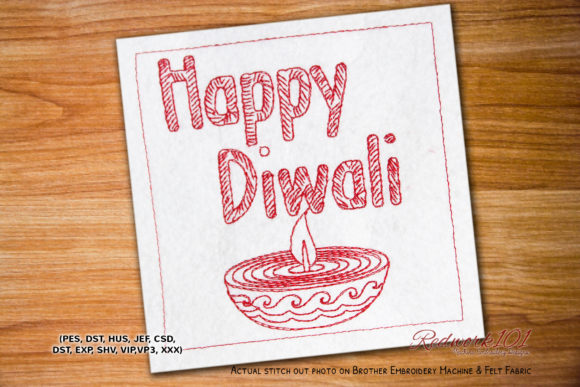
Happy Diwali Festival: A Designer's Review for Custom Gifts
As an embroidery designer who spends countless hours testing machine embroidery design files for a personalized gift shop, I approach every new pattern with a critical eye. It is not just about how the digital preview looks on a screen; it is about how the thread sits on the fabric, how the customer feels when they hold the finished product, and whether the design holds up after multiple washes. Recently, I had the opportunity to test the Happy Diwali Festival design, a vibrant piece rooted in Asia culture that promises to bring warmth to any home. This review is written for fellow crafters, Etsy seller peers, and small business owners looking to expand their holiday offerings with meaningful handmade product options.
First Impressions: Mood, Charm, and Emotional Appeal
When I first loaded the digital embroidery file for Happy Diwali Festival into my software, the immediate impression was one of celebration and light. Diwali is the festival of lights, and this design captures that essence beautifully through its redwork style. Redwork is a classic technique that relies on a single color of thread, usually red, to create striking outlines and details. The mood here is undeniably festive yet elegant. It avoids being overly cluttered, which is crucial for modern aesthetics.
The charm of this design lies in its simplicity. It feels sweet and traditional without appearing dated. For a small shop product, this balance is vital. Customers today want items that feel authentic and handmade but also fit seamlessly into contemporary decor. The emotional appeal is strong; it speaks to heritage, family gatherings, and the joy of giving. Whether used for a family keepsake or a seasonal decoration, the design carries a weight of tradition that resonates deeply with buyers looking for more than just mass-produced goods.
Versatility Across Product Categories
One of the strongest assets of the Happy Diwali Festival design is its versatility. In my testing phase, I visualized this pattern across a wide range of substrates. For baby embroidery, imagine this stitched onto a soft muslin swaddle blanket or a nursery wall hanging. The clean lines of redwork are gentle enough for a baby's room while introducing cultural richness early on.
For wedding gifts, this design shines when applied to linen napkins or a ceremonial table runner. It serves as a beautiful wedding gift for couples celebrating their heritage or for friends who appreciate global traditions. I also tested the concept on kitchen textiles. An embroidered towel featuring this motif becomes an instant conversation starter in a hostess's kitchen. Furthermore, tote bags and aprons decorated with this pattern make excellent craft fair products. They are practical items elevated by custom embroidery, appealing to customers who value utility and artistry equally.
Pillow covers and blanket embroidery projects are another natural fit. The design scales well, maintaining its integrity whether shrunk for a coaster or enlarged for a throw pillow. For an Etsy seller, this flexibility means you can create a cohesive collection of listings using a single embroidery file, maximizing your return on investment.
Technical Considerations and Fabric Challenges
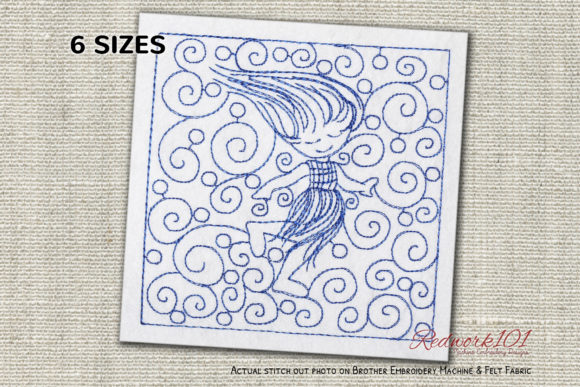
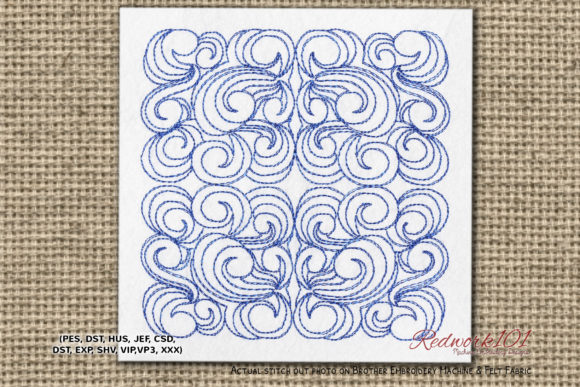
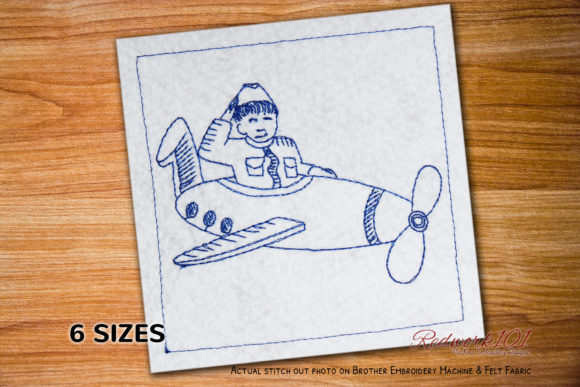
While the aesthetic is stunning, a professional review must address the technical realities of stitching. The description notes that "The Box Stitch shown in the picture is optional" and mentions that "The color of the outer box is a different color in most of the designs unless it is part of the design itself." This variability requires careful attention. Before stitching on a final customer item, you must verify if the box element is included in your specific file version and plan your thread colors accordingly.
There are specific scenarios where Happy Diwali Festival should be used with caution. If you are working with textured fabric, such as a waffle-weave towel or a heavy terrycloth, the fine details of redwork can sometimes get lost or distort. Similarly, stretchy baby clothes require a very stable setup to prevent the design from puckering. Curved surfaces, like the side of a mug cozy or a rounded pillow, demand precise hooping to ensure the design does not skew.
Dark fabric presents another challenge. Since this is primarily a redwork design, the contrast on black or navy blue fabric might be insufficient unless you use a bright, high-contrast red thread. Always compare light and dark fabric mockups before committing to a production run. Additionally, products that need frequent washing, like kitchen towels or aprons, require a robust stitching strategy to ensure longevity.
Practical Embroidery Notes for Success
To ensure the highest quality for your clients, I recommend following these practical steps during your production process:
- Test on scrap fabric: Never skip the test stitch-out. Use the exact same fabric and stabilizer combination you intend to use for the final order.
- Check thread color contrast: Ensure the red thread pops against your chosen background. If the outer box is a different color, verify that the two shades harmonize well.
- Confirm hoop size: Check the dimensions of the design against your available hoops. The product description does not specify exact measurements, so verify this in your software to avoid last-minute scrambling.
- Review stitch density: Redwork is generally low density, which is great for drape, but ensure the spacing isn't too wide for delicate fabrics where the backing might show through.
- Use proper stabilizer: For stretchy knits or heavy towels, choose a cut-away stabilizer to provide permanent support. For woven cottons, a tear-away may suffice.
- Check small details after stitching: Inspect the corners and curves of the design for any bird nests or skipped stitches before trimming jumps.
- Confirm commercial licensing: Before selling finished products, always review the license terms associated with the file to ensure you are compliant for commercial embroidery use.
Enhancing Giftability and Perceived Value
In the world of online selling, particularly for an Etsy seller, product photography is everything. The Happy Diwali Festival design photographs exceptionally well due to its bold lines and cultural significance. A well-lit photo of this design on a crisp white linen napkin or a soft beige tote bag instantly communicates quality. It boosts perceived value because it looks intentional and artistic rather than generic.
This design fosters an emotional connection. When a customer receives a personalized item featuring a motif from their heritage or a culture they admire, it builds trust in your brand. It shows that you care about detail and meaning. For baby product creators and wedding gift designers, offering such a specific, culturally rich option sets you apart from competitors selling standard monograms. It transforms a simple transaction into a memorable experience.
Ultimately, the Happy Diwali Festival is a robust addition to any Embroidery library. It bridges the gap between traditional celebration and modern gifting. By paying attention to fabric choices, stabilizer needs, and the optional elements mentioned in the description, you can create stunning pieces that delight customers. Whether you are creating a printable mockup for your shop or stitching the final personalized gift, this design offers the charm and quality necessary to build a loyal customer base. Just remember to check those specific file details regarding the box stitch and colors to ensure your vision matches the final stitch-out perfectly.