Lover Birds Redwork: A Designer's Review for Boutique Apparel
As an embroidery designer constantly scouting for designs that elevate a clothing line, I recently took a close look at the Lover Birds Redwork collection available on Creative Fabrica. When you are building a boutique brand or preparing a seasonal drop for your Etsy shop, every stitch counts. You need designs that not only look charming in a digital mockup but also translate beautifully onto physical garments like hoodies, sweatshirts, and denim jackets. This review breaks down the visual personality, practical application, and commercial potential of this specific machine embroidery design from the perspective of someone who lives and breathes custom apparel.
Visual Personality and Stitching Mood
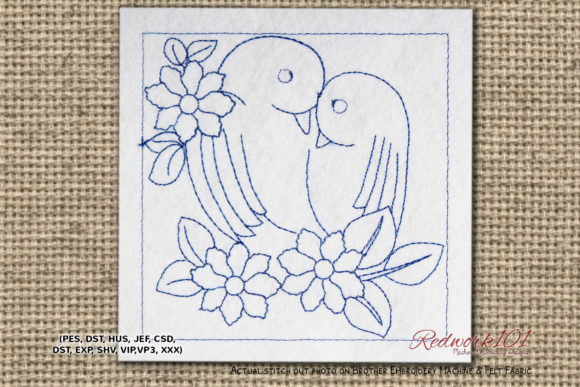
The first thing that strikes me about Lover Birds Redwork is its timeless aesthetic. Redwork, by definition, relies on a single thread color—traditionally red, though modern interpretations allow for any bold contrast—to create line art that feels both rustic and playful. This particular design captures a sweet, romantic mood without being overly saccharine. The lines appear clean and deliberate, suggesting a classic style that fits well with current trends favoring minimalism and vintage-inspired graphics.
For a small shop product line, this visual consistency is gold. Whether you are aiming for a cozy winter collection or a spring lineup of pastel hoodies, the simplicity of the bird motif allows the fabric texture to shine through. It feels premium because it doesn't try too hard; it relies on the strength of the outline and the negative space to make a statement. For boutique merchandise, this kind of understated elegance often resonates more with buyers than dense, heavy logos that can feel stiff on soft fabrics.
Ideal Applications for Sweatshirt and Hoodie Collections
When planning a new collection, I immediately envisioned Lover Birds Redwork on neutral-toned sweatshirts. Imagine a heather grey crewneck with the birds stitched in a deep crimson on the left chest. The contrast would be striking yet subtle enough for everyday wear. Because redwork typically involves less stitch density than fill designs, it is exceptionally well-suited for sweatshirt embroidery and fleece materials. Heavy fill stitches can sometimes make a hoodie feel rigid or cause the fabric to pucker, but a line-art approach maintains the drape and comfort of the garment.
This design also shines as a sleeve accent. Placing a smaller version of the birds on the forearm of an oversized hoodie adds a unique detail that customers love. It transforms a basic garment into a custom piece. For darker apparel, such as navy or black hoodies, switching the thread color to white or a bright coral could create a stunning pop against the dark background. The versatility here allows you to create multiple SKUs from a single digital embroidery file simply by changing thread colors and placement.
Expanding Beyond Apparel: Totes and Denim
While my primary focus is often wearable art, this design is equally effective for lifestyle products. A canvas tote bag featuring these lover birds makes for a perfect handmade product that appeals to eco-conscious shoppers. The sturdy nature of canvas handles the stitching beautifully, and the redwork style complements the natural, organic vibe of tote bags. Similarly, on a denim jacket, the linear quality of the embroidery mimics the look of traditional patchwork or hand-stitching, adding a touch of artisanal charm to a rugged garment.
For those creating printable mockups for social media graphics or Etsy listings, the clean lines of Lover Birds Redwork photograph exceptionally well. There is no thread glare or excessive texture to distract from the composition, making it easier to showcase the finished product in professional product photos. This visual clarity can significantly boost buyer trust and engagement when scrolling through a crowded marketplace.
Technical Considerations and Fabric Challenges
However, even the most beautiful design requires careful execution. As a professional, I must point out areas where caution is needed. While redwork is generally lighter on stitch count, you must still consider the stitch density relative to your fabric. On highly stretchy fabrics or ribbed cuffs, even a light run stitch can cause distortion if the stabilizer isn't chosen correctly. I always recommend testing on scrap fabric first. If you are working with thick fleece, a cut-away stabilizer is usually the safest bet to prevent the design from sinking into the pile over time.
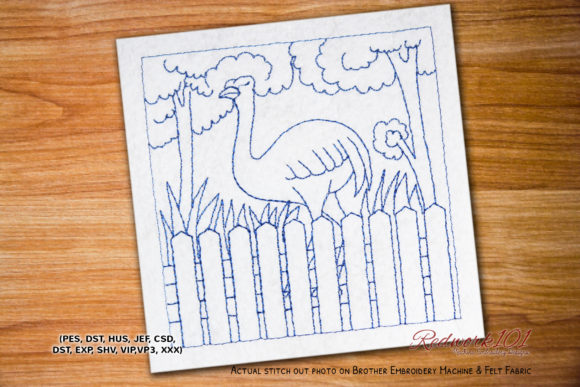
Placement is another critical factor. For small chest placements, ensure the hoop size you select accommodates the design without crowding the edges. Curved surfaces, like the shoulder of a t-shirt or the pocket of a hoodie, require extra attention during hooping to avoid wrinkles in the finished product. Additionally, the product description notes that "The Box Stitch shown in the picture is optional." This is a crucial detail for a designer. It means you have the flexibility to skip the outer border if it doesn't fit your layout, allowing for a more organic integration into your custom apparel designs. Always verify if the box is a separate color stop in your embroidery software so you can easily omit it during production.
Enhancing Brand Identity and Value
Incorporating designs like Lover Birds Redwork into your catalog does more than just decorate a shirt; it builds brand identity. Consistent use of high-quality, thematic embroidery signals to your customers that you care about details. It elevates the perceived value of the item, allowing you to price your handmade products higher than generic screen-printed alternatives. When a customer sees precise, clean stitching on a cozy garment, it fosters loyalty and encourages repeat purchases.
Furthermore, using a recognizable motif across different items—such as matching lover birds on a mom-and-me set of hoodies or on a tote and a tee—creates a cohesive collection. This visual consistency is key for commercial embroidery success. It makes your shop look professional and curated rather than random. For digital sellers offering customizations, this design offers a great base that can be personalized with names or dates, further increasing its appeal as a gift item.
Final Designer Notes and Best Practices
Before running a full production batch, there are several steps I insist upon. First, confirm the specific file formats included in the download to ensure compatibility with your embroidery machine. Second, review the thread color contrast carefully; what looks good on screen may need adjustment in real life depending on your fabric choice. Third, check the Creative Fabrica product details and licensing terms thoroughly. While most designs allow for commercial use on finished physical goods, it is vital to understand the boundaries regarding reselling the digital file itself.
Since the product details mention that the outer box color varies or can be skipped, take the time to edit the design in your digitizing software if necessary to perfect the color sequence for your specific workflow. Test the design on similar garment fabric to your final product to gauge how the fabric texture interacts with the stitches. By taking these precautions, you ensure that Lover Birds Redwork becomes a staple in your portfolio, delivering beautiful, durable, and profitable results for your boutique business.
In conclusion, this design offers a blend of charm and practicality that is rare to find. It is a strong contender for anyone looking to expand their offerings in the cozy, romantic, or vintage niches. With the right preparation and attention to detail, it can be the centerpiece of a highly successful apparel collection.