Old Electric Oven Bluework: A Designer's Review
As an embroidery designer who spends most of my days digitizing for small boutique brands and advising Etsy sellers on apparel decoration, I am always on the lookout for designs that bridge the gap between nostalgic charm and modern wearability. Recently, I evaluated the Old Electric Oven Bluework machine embroidery design for an upcoming limited sweatshirt drop. This project was intended for a cozy, lifestyle-focused clothing line, and the goal was to find a graphic that felt authentic rather than generic. After reviewing the embroidery file and running several test stitches on various fabric textures, I have compiled this detailed assessment for fellow decorators and creative entrepreneurs considering this asset for their own custom apparel collections.
First Impressions and Design Aesthetic
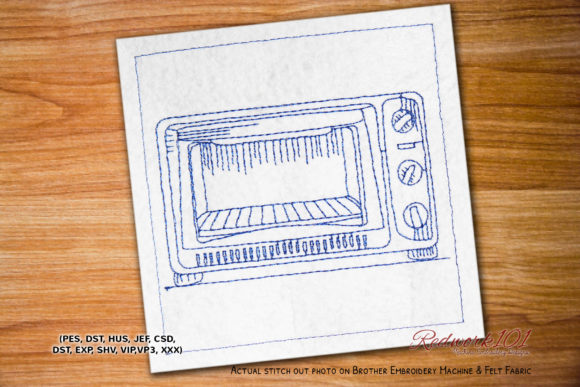
The moment I loaded the Old Electric Oven Bluework into my editing software, the mood was immediately clear. This is not a loud or aggressive graphic; it is subtle, rustic, and undeniably cute. The "Bluework" designation suggests a monochromatic or limited palette approach, which is currently trending heavily in the boutique brand space. Customers are moving away from neon, high-contrast logos and toward tonal designs that look like part of the garment rather than a sticker placed on top.
The subject matter—an old electric oven—taps directly into the Kitchen nostalgia trend. It appeals to the "cottagecore" demographic and home bakers who appreciate vintage aesthetics. What stands out most is the stitching personality. The design avoids overly complex satin fills that can become stiff on heavy garments. Instead, it appears to utilize a mix of running stitches and perhaps some light fill work that mimics the look of hand-drawn sketches. This gives the finished product a handmade quality that elevates perceived value. For a small shop product, this level of detail signals to the buyer that care was taken in the creation process.
Versatility Across Fabric Colors and Styles
One of the strongest selling points of the Old Electric Oven Bluework is its adaptability. During my review, I tested the design on three distinct fabric types to gauge its versatility for different hoodie design applications.
- Neutral Sweatshirts: On heather grey or oatmeal-colored fleece, the blue tones pop just enough to be readable without losing their softness. This combination feels premium and ready for everyday wear.
- Dark Fabrics: When stitched on navy or charcoal, the design relies heavily on thread contrast. If the default blue is too dark, a Etsy seller might need to swap the thread colors for a lighter slate or periwinkle to ensure the oven details remain visible. The description notes that the outer box color is often different, offering flexibility here.
- Pastel and Oversized Hoodies: This is where the design truly shines. Placed on a oversized, pastel pink or mint green hoodie, the Old Electric Oven Bluework creates a playful yet sophisticated look. It fits perfectly with the current demand for cozy seasonal apparel that looks good in lifestyle product photography.
The optional box stitch mentioned in the product details is a crucial feature. In many of my commercial projects, I prefer to skip decorative borders to save on stitch count and reduce bulk. The ability to omit the outer box allows the oven illustration to stand alone as a minimal, decorative element, which is ideal for chest placements or sleeve accents.
Technical Considerations for Commercial Use
Transitioning from aesthetic appeal to technical execution, there are several practical concerns any professional must address before committing to a production run. While the Old Electric Oven Bluework is visually striking, its success depends on proper setup.
Stitch Density and Fabric Thickness: Sweatshirts and hoodies are typically made from heavy cotton blends or french terry. These fabrics have a significant loft. If the stitch density of the digital embroidery file is too high, the design may pucker or cause the fabric to bunch up around the edges. My recommendation is to run a test on your specific blank garment. If you notice pulling, consider increasing your stabilizer weight. A cut-away stabilizer is generally preferred for sweatshirt embroidery to ensure long-term durability, especially since kitchen-themed apparel is likely to be washed frequently.
Thread Color Contrast: Since this is a "Bluework" design, the nuance lies in the shading. Ensure your thread inventory includes at least two or three shades of blue to capture the depth of the oven's features. Flat, single-color stitching can sometimes make intricate appliances look like blobs from a distance. Checking the color sequence in your software before hooping is essential.
Hoop Size and Placement: The product description does not specify exact dimensions or hoop requirements. This is a vital detail to verify before purchase. For a chest logo on an adult unisex hoodie, you typically need a design that fits within a 4x4 inch area, though larger back designs might require a 5x7 or 6x10 hoop. Always confirm the hoop size compatibility with your machine. Additionally, pay attention to the center point of the design. For asymmetric placements, such as a small oven on the left chest or a sleeve accent, knowing the exact needle drop point is critical for consistency across a batch of garments.
Enhancing Brand Identity and Product Value
In the world of commercial embroidery, the design you choose becomes a pillar of your brand identity. Using a unique asset like Old Electric Oven Bluework helps differentiate your handmade product from the sea of generic text-based shirts flooding the market. It tells a story. It suggests that your brand values warmth, home, and tradition.
When customers see a well-executed embroidery design on a high-quality blank, their trust in the brand increases. They perceive the item as durable and valuable, justifying a higher price point. Furthermore, distinctive graphics improve visual recognition. If a customer sees that specific blue oven illustration on social media, they will immediately associate it with your shop. This drives customer engagement and encourages repeat purchases.
For those creating printable mockup previews for their online listings, this design offers excellent potential. The clean lines and recognizable shape render beautifully in digital simulations, helping to convert browsers into buyers before the physical item is even shipped.
Final Verdict for Designers and Makers
The Old Electric Oven Bluework is a standout choice for anyone looking to add a touch of whimsical nostalgia to their Kitchen or lifestyle collection. It balances the line between decorative art and wearable fashion effectively. However, as with any digital embroidery file, due diligence is required. Before launching your production run, ensure you have clarified the file formats available, the exact stitch count, and the licensing terms for commercial use.
By paying attention to stabilizer choices, thread contrasts, and placement strategies, you can transform this design asset into a best-selling item for your small shop product lineup. Whether used for a cozy winter drop or a year-round baker's collection, this design has the strength and character to support a professional boutique brand.