Rare Font Review: A Charming Pick for Personalized Gifts
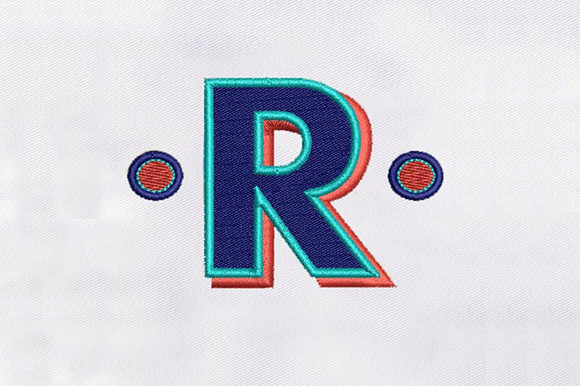
As an embroidery designer who has spent years testing digital files for my own shop and client orders, I approach every new machine embroidery design with a mix of excitement and caution. When I first loaded the Rare Font file onto my screen, I was immediately struck by its unique character. It isn't just another block letter or standard script; it carries a distinct mood that feels both elegant and slightly playful. For those of us running small businesses or selling on platforms like Etsy, finding a font that stands out in a crowded market is gold. This review breaks down how Rare Font performs as a finished personalized gift, where it shines, and where you need to tread carefully before stitching on a customer's precious item.
The First Impression: Mood and Emotional Appeal
The moment you preview Rare Font, you get a sense of warmth. It doesn't feel cold or overly industrial, which is often a risk with digitized text. Instead, it mimics the flow of a handmade product, offering a charm that resonates deeply with buyers looking for something special. Whether you are creating a nursery item or a wedding keepsake, the emotional connection is immediate. The design feels romantic yet modern, making it versatile enough for a baby's blanket or a sophisticated kitchen towel. For a wedding gift designer, this type of typography suggests thoughtfulness and exclusivity, instantly elevating the perceived value of the item it adorns.
In my initial testing, I imagined how this would look on a custom tote bag for a bridesmaid or an apron for a cooking enthusiast. The curves and details of the letters invite the eye to linger, which is crucial for buyer engagement when scrolling through online listings. If you are an Etsy seller trying to capture attention in search results, a font with this level of personality can make your product photography pop, turning a simple embroidered towel into a story-driven piece.
Ideal Applications for Rare Font
One of the strongest assets of Rare Font is its adaptability across various Sports and lifestyle categories, though it truly excels in personalization. Here is where I see this design thriving in a real-world shop setting:
- Baby Embroidery: Perfect for naming blankets or bibs where a soft, welcoming aesthetic is required.
- Wedding Gifts: Ideal for monogramming pillow covers or ring bearer pillows with a touch of class.
- Nursery Decor: Adds a custom touch to wall hangings or stuffed animals.
- Kitchen Linens: Transforms a plain tea towel into a cherished heirloom.
- Custom Tote Bags: Great for craft fair products where uniqueness drives sales.
When planning a custom embroidery order, I always consider the end-user. A parent receiving a blanket with Rare Font stitched in soft pastels will feel a surge of affection. Similarly, a bride seeing her new name in this style on a robe or towel feels celebrated. The design bridges the gap between a mass-produced item and a bespoke creation, which is exactly what today's consumers are willing to pay a premium for.
Technical Considerations and Fabric Challenges
While the aesthetic appeal of Rare Font is high, practical application requires attention to detail. As a professional, I never stitch a new file directly onto a final product without rigorous testing. Here are the specific areas where you need to be cautious:
- Small Lettering: If you plan to resize this design significantly smaller, check the legibility. Delicate fonts can lose definition if the stitches become too tight or the gaps too narrow.
- Textured Fabric: On thick towels or waffle weave, the fine details of the font might get lost in the texture. Always test on the actual fabric weight you intend to sell.
- Stretchy Materials: Baby clothes often use knits. Without the proper stabilizer, a detailed font like this can pucker or distort after washing.
- Dark Fabric: Contrast is key. Ensure your thread colors pop against dark backgrounds; otherwise, the intricate shapes of the letters may blend in and become unreadable.
- Curved Surfaces: Stitching on caps or rounded pillow covers requires careful hooping to prevent the design from warping.
It is also vital to review the stitch density. While the provided file formats (including DST, PES, EXP, and others) are standard for most machines, the density determines how the thread sits on the fabric. High density can make a design stiff, while low density might look sparse. I recommend stitching a sample on scrap fabric first to gauge the hand-feel of the finished product.
Enhancing Perceived Value and Trust
In the world of online selling, trust is currency. Using a distinctive font like Rare Font signals to your customers that you care about design quality. It moves your small shop product away from generic templates. When a customer sees a mockup featuring this font, they visualize a higher quality finished product. This psychological boost can lead to faster sales and better reviews.
Furthermore, the versatility of the available embroidery file formats—ranging from 10O and ART to VIP and XXX—means you can cater to almost any machine owner if you are selling the digital file itself, or ensure compatibility if you are doing the stitching. However, always confirm the specific hoop size required for your intended application. If the design is large, ensure your hoop can accommodate it without excessive re-hooping, which can cause alignment issues.
Practical Notes for the Professional Maker
Before adding Rare Font to your inventory of commercial embroidery offerings, follow these steps to ensure success:
- Test on Scrap: Never skip this step. Run the design on the same fabric and stabilizer combination you plan to use for the client.
- Check Contrast: Verify that your chosen thread stands out clearly against the fabric color.
- Review Details: After stitching, inspect small loops and corners to ensure they are clean and not bird-nested.
- Wash Test: Wash and dry your sample to see how the design holds up. Does it pucker? Do the threads fray?
- Licensing: Crucially, confirm the commercial licensing terms. Just because you have the file does not automatically grant rights to sell finished goods or the digital file itself unless explicitly stated.
Since exact stitch counts and specific hoop dimensions were not provided in the product description, you must open the file in your editing software to verify these metrics before committing to a production run. This due diligence protects your reputation and ensures every blanket embroidery or pillow cover you ship is flawless.
In conclusion, Rare Font is a delightful addition to any designer's library. It offers the perfect balance of personality and professionalism, making it an excellent choice for creating meaningful, high-value gifts. With careful testing and attention to fabric choices, this design can become a staple in your portfolio, helping you build a loyal customer base that appreciates the art of true customization.