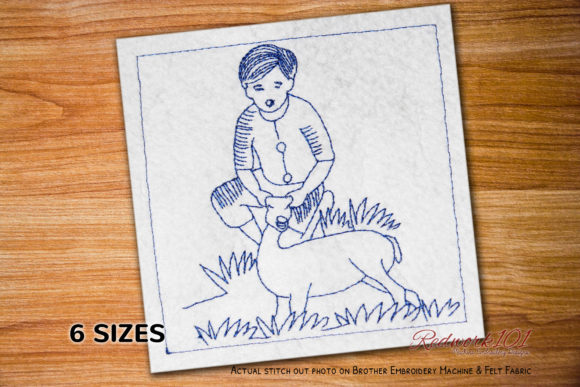
Hunter with Deer Redwork: A Pro Review for Business Merch
As an embroidery designer who has spent years digitizing and testing files for commercial use, I approach every new machine embroidery design with a critical eye. It is not just about whether the image looks cute on a screen; it is about how that digital embroidery file translates into a tangible finished product that elevates a brand. Today, I am reviewing the Hunter with Deer Redwork specifically through the lens of small business utility. Whether you run a boutique, a local café, a florist shop, or an Etsy store selling handmade goods, your merchandise needs to communicate quality instantly. This review breaks down how this specific design performs in real-world scenarios, from staff uniforms to customer gifts.
First Impressions and Visual Personality
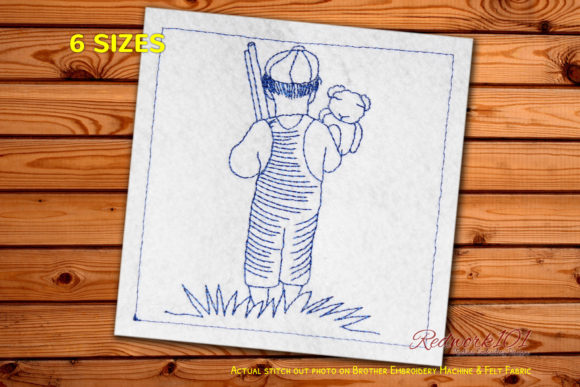
The moment I loaded the Hunter with Deer Redwork into my simulation software, the aesthetic was immediately clear. The term "Redwork" historically refers to outline embroidery done in a single color, usually red, on white fabric. This design carries that classic, rustic charm while maintaining a clean, professional silhouette. It feels friendly yet bold, making it an excellent candidate for brands that want to project a handmade, artisanal, or outdoorsy vibe. Unlike complex, high-density logos that can look muddy on textured fabrics, the open nature of redwork offers a breathable, elegant look. For a creative studio or a pet brand looking for something distinct from the standard corporate block lettering, this design offers a unique visual hook that feels both nostalgic and modern.
Real-World Applications for Small Business Merch
The true test of any embroidery file is its versatility across different products. Here is how Hunter with Deer Redwork holds up in various commercial applications:
- Embroidered Patches: This is arguably the strongest use case. Because redwork relies on outlines, it creates a striking contrast when stitched onto a twill or felt patch background. It works exceptionally well as a chest logo accent on jackets or as a standalone iron-on patch for customers to apply to their own gear.
- Staff Uniforms and Aprons: For a bakery, florist, or craft workshop, branding the team is essential. This design shines on apron embroidery. The simplicity of the lines ensures that even after dozens of washes, the definition remains sharp. It adds a touch of personality to standard work shirts without overwhelming the garment.
- Cap Embroidery: Placing this on the front of a baseball cap or beanie requires careful consideration of the curve, but the linear nature of the design adapts well. It serves as a subtle sleeve detail or a centered cap logo that doesn't require excessive underlay, keeping the hat comfortable.
- Tote Bag Design: Canvas tote bags are a staple for retail shops. The Hunter with Deer Redwork provides a large-scale graphic option that looks intentional and artistic rather than like a cheap promotional giveaway. It elevates the perceived value of the bag itself.
- Product Packaging Accents: Beyond apparel, this design can be stitched onto fabric tags attached to packaging or used as a decorative element on limited edition product wraps, reinforcing brand identity at every touchpoint.
Critical Considerations for Production
While the design is visually appealing, a professional must anticipate potential production hurdles. The product description notes that "The Box Stitch shown in the picture is optional," and that the outer box color often differs. This modularity is a double-edged sword. On one hand, it offers customization; on the other, it requires precise setup to ensure the framing complements the central motif rather than distracting from it.
There are specific scenarios where you must proceed with caution:
- Small Patch Sizes: Redwork depends on line integrity. If you scale Hunter with Deer Redwork down too small for a tiny pocket logo, the gaps between stitches may widen, causing the design to lose definition. Always test the minimum viable size before committing to a large run.
- Curved Surfaces and Textured Fabric: When working with pique polos or heavy canvas, the stitch density of the outline must be tight enough to prevent the fabric texture from showing through the gaps, but loose enough to avoid puckering. On curved surfaces like cap fronts, pull compensation is vital to prevent the deer or hunter figure from distorting.
- Dark Uniforms: Traditional redwork uses red thread on white. If you are stitching this onto navy or black uniforms, you must invert the logic. You may need to fill the negative space or choose a high-contrast thread color like gold or bright white to ensure visibility. Do not assume the default colorway works on all backgrounds.
- Frequent Washing: Items like aprons and work shirts undergo rigorous cleaning. Ensure your stabilizer choice matches the fabric weight. A cut-away stabilizer is often safer than tear-away for items that will be laundered weekly to maintain the shape of the outline over time.
Impact on Brand Identity and Customer Trust
In the crowded marketplace of small business merch, consistency is king. Using a cohesive design like Hunter with Deer Redwork across your custom apparel and accessories builds immediate recognition. It signals to the customer that you care about the details. A sloppy embroidered logo suggests a sloppy product, but a crisp, well-executed redwork design implies craftsmanship. This is particularly powerful for handmade brands and Etsy sellers where the story of "made with care" is part of the sales pitch. By integrating this design into your design assets, you create a visual language that feels premium and thoughtful, directly influencing buyer engagement and trust.
Practical Notes for the Embroidery Professional
Before you load this file into your machine for a client order, follow these professional steps to guarantee success:
- Test in Black and White First: Strip away the color variables. Run a sample on white fabric with black thread to check the spacing and flow of the lines. If it looks good in monochrome, the color application will likely succeed.
- Verify Hoop Size and Licensing: The description does not specify exact dimensions or license terms. You must confirm the hoop size required to ensure it fits your intended garment area. Furthermore, always verify the commercial licensing agreement before using the file for profit-generating merchandise.
- Create a Printable Mockup: Before stitching a single thread, generate a printable mockup to show your client. This manages expectations regarding size and placement, especially if they are unsure about the optional box stitch.
- Check Thread Contrast: If utilizing the optional box, ensure the thread color contrasts sufficiently with both the fabric and the main design elements. Poor contrast can make the design look like a mistake rather than a frame.
- Compare Beside Other Assets: Place this design next to your existing logo or other branding elements. Does Hunter with Deer Redwork clash, or does it complement your current visual strategy?
In conclusion, Hunter with Deer Redwork is a versatile asset for the discerning embroidery professional. It bridges the gap between traditional craft aesthetics and modern branding needs. However, its success relies entirely on proper execution, thoughtful material selection, and a clear understanding of its limitations on dark or highly textured fabrics. When applied correctly, it becomes more than just a pattern; it becomes a cornerstone of a brand's physical presence.