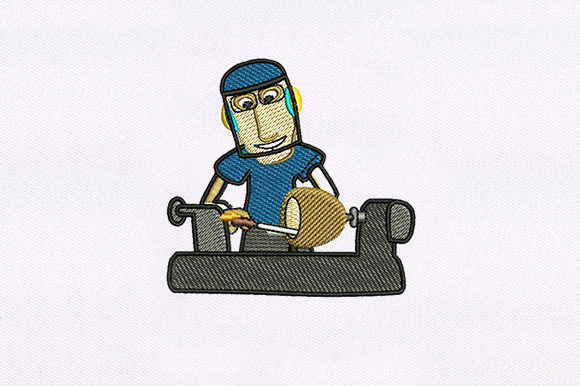
Working Man Machine Design: A Pro Review for Business Merch
As an embroidery designer who spends most of my days digitizing logos and testing files for small business clients, I approach every new machine embroidery design with a critical eye. It is not just about whether the image looks cute on a screen; it is about how that digital embroidery file translates into a tangible asset that builds brand identity. Recently, I took a close look at the Working Man Machine Design, a piece marketed with the promise to "inspire you to do the same." While the description suggests uses for work clothes and DIY room decorations, my focus was strictly on its viability for commercial applications. Could this design serve as a robust element for branded patches, staff uniforms, or boutique merchandise? Here is my professional assessment.
First Impressions: Rustic Charm Meets Professional Utility
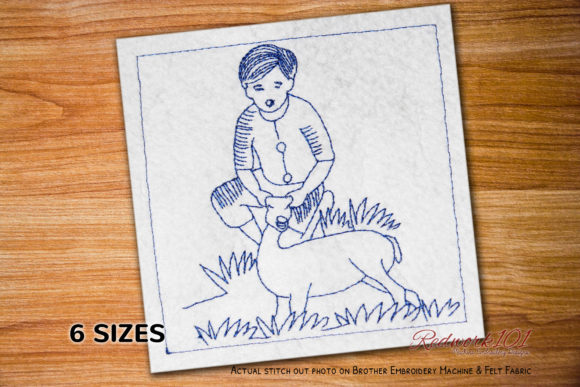
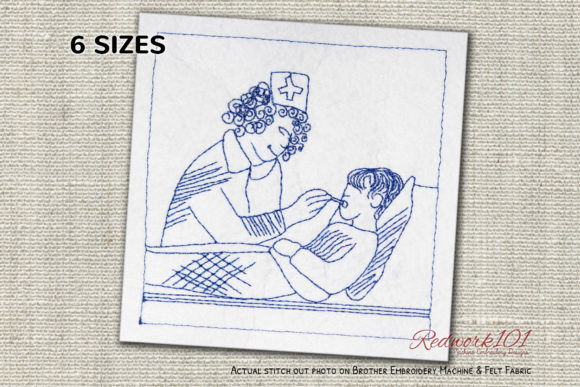
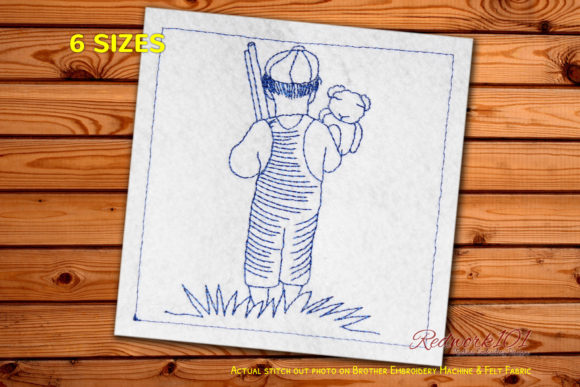
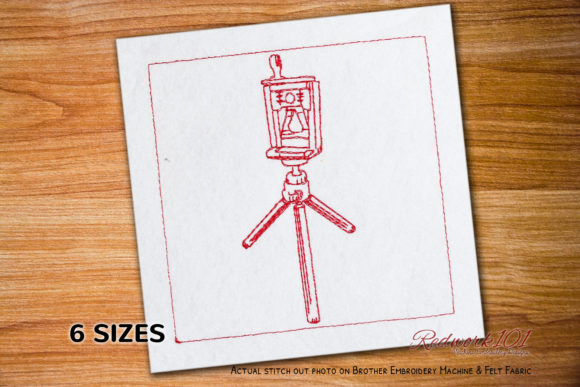
The moment I loaded the preview of the Working Man Machine Design, the aesthetic jumped out immediately. It carries a distinct rustic and handmade feel, which is incredibly trendy right now for artisanal brands, local bakeries, craft studios, and boutique coffee shops. Unlike sleek, modern vector logos that can sometimes feel cold, this design exudes warmth and approachability. It feels bold yet friendly, making it an excellent candidate for businesses that want to project a "local," "hardworking," or "community-focused" vibe.
For a small business owner selling small business merch, visual consistency is key. This design fits perfectly into the current landscape of heritage branding. Whether you are running a florist shop, a pet brand, or a creative studio, the imagery suggests reliability and craftsmanship. However, from a technical standpoint, the "twist" mentioned in the product description implies some decorative flair. As a designer, I always worry that excessive decoration can compromise durability. The initial visual check suggests a balance, but it requires careful handling during the stitching phase to ensure it remains professional rather than overly ornate.
Real-World Application for Branded Merchandise
The true test of any embroidery file is its versatility across different substrates. I evaluated how the Working Man Machine Design would perform in several common commercial scenarios:
- Embroidered Patches: This is arguably the strongest use case. The design's bold lines and character-driven imagery would translate beautifully into a woven or embroidered patch. These can be sewn onto canvas tote bags, denim jackets, or aprons, allowing customers to buy a piece of the brand without committing to a full garment.
- Staff Uniforms and Aprons: For a café or bakery, apron embroidery is a staple. Placing this design on the chest pocket or the bib of an apron adds a layer of personality that generic text logos lack. It humanizes the staff and reinforces the "working man" ethos of service and labor.
- Cap Embroidery: Front-panel placement on structured caps is popular, but curved surfaces are tricky. If the design has high stitch density, it could cause the cap fabric to pucker. However, if the digitizing is clean, it serves as a fantastic headline logo for team hats.
- Tote Bag Design: Canvas totes are a huge revenue stream for Etsy sellers and boutiques. This design works well as a central focal point on a tote, offering a handmade product aesthetic that justifies a higher price point.
- Product Packaging Accents: Beyond apparel, imagine this stitched onto a fabric tag attached to packaged goods. It elevates the unboxing experience and acts as a seal of quality.
Technical Considerations and Potential Pitfalls
While the artistic merit is high, we must discuss the technical realities of commercial embroidery. The description mentions "DIY room decorations," which often implies larger, less dense stitching suitable for home hoops. When scaling this down for business use, such as a small sleeve detail or a hat front, issues can arise.
First, consider stitch density. If the design relies heavily on satin stitches to create the "working man" figure, it may become too thick for lightweight fabrics like poly-cotton blends used in performance work shirts. High density can lead to needle breaks or fabric distortion. Second, thread colors are crucial. The design likely relies on contrast to define the figure. On dark uniforms, you must ensure there is enough underlay stitching to prevent the garment color from bleeding through and muddying the image.
Furthermore, tiny details often get lost in production. If the design includes small facial features or intricate tools, these might merge into a solid blob when stitched at a size smaller than three inches. I strongly advise against using this on items requiring frequent industrial washing unless you have verified the stitch integrity. Curved surfaces, like the front of a baseball cap, also demand a design with flexible column directions; rigid horizontal fills can cause registration errors on rounded forms.
Impact on Brand Identity and Customer Trust
In the world of custom apparel, the finished product is a direct reflection of your brand's values. Using a well-executed design like the Working Man Machine Design signals attention to detail. It tells your customer that you value tradition and quality. When a client sees a crisp, well-stitched logo on their purchase, it increases perceived value and fosters trust.
Conversely, a poorly executed version of this design—perhaps one that is too dense or uses clashing thread colors—can make a brand look amateurish. The goal is to enhance brand identity, not distract from it. This design works best when it complements your existing design assets. It should feel like a natural extension of your logo, not an afterthought. For handmade brands, this specific aesthetic bridges the gap between digital precision and the organic feel of hand-crafted goods, creating a powerful emotional connection with buyers.
Essential Designer Notes for Production
Before you commit to a large production run or list this as a new item in your shop, follow these practical steps to ensure success:
- Test in Black and White First: Remove the color variable to check the structural integrity of the stitching. If it doesn't look good in one color, adding more won't fix the underlying density issues.
- Check Small Patch Viability: Stitch a sample at the smallest intended size (e.g., 2 inches). Ensure no details disappear.
- Review Thread Contrast: Verify that your chosen thread palette provides sufficient separation between the figure and the background fabric.
- Inspect Spacing and Hoop Size: Confirm the design fits within your available hoop size without needing excessive re-hooping, which can lead to misalignment.
- Test on Real Fabric: Do not rely solely on digital simulations. Stitch on the actual material you plan to sell, whether it is twill, canvas, or jersey.
- Use Proper Stabilizer: Match your stabilizer to the fabric weight. Heavy designs on light fabric require cut-away stabilizer to prevent sagging over time.
- Create a Printable Mockup: Before stitching, generate a printable mockup to show clients or visualize the placement on the garment.
- Confirm Commercial Licensing: The product description mentions inspiration and DIY use. You must explicitly verify that the license allows for commercial embroidery and resale of finished goods before using it for business.
The product description does not specify exact stitch counts, file formats, or specific license terms. Therefore, it is imperative to contact the seller or review the full documentation before beginning any paid projects. Do not assume a file is ready for mass production without due diligence.
In conclusion, the Working Man Machine Design holds significant potential for small businesses looking to add character to their merchandise. With its rustic appeal and versatile application, it can elevate custom apparel and accessories. However, its success depends entirely on thoughtful execution, proper testing, and a clear understanding of the technical limitations of embroidery. By treating this file as a serious business asset rather than just a decoration, you can create products that resonate deeply with your audience.