Piano Keyboard Embroidery: A Designer's Review
As an embroidery designer who spends countless hours vetting digital assets for commercial use, I approach every new download with a critical eye. When I first encountered the Piano Keyboard design on Creative Fabrica, my immediate thought was about its potential application in real-world projects rather than just its aesthetic appeal on a screen. This isn't just a graphic; it is a functional machine embroidery design that needs to hold up under the needle, withstand washing, and elevate the perceived value of the finished product.
First Impressions and Visual Mood
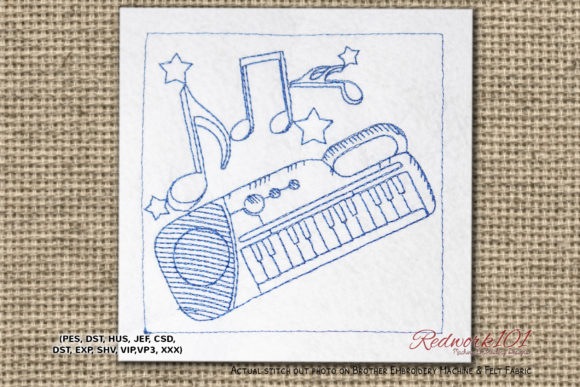
The visual mood of the Piano Keyboard is classic and timeless. Music-themed designs can often veer into the overly cartoonish or cluttered, but this asset strikes a balance that feels suitable for both children's items and sophisticated adult apparel. The design relies on the universal recognition of the piano keys, creating an instant connection with anyone who appreciates music. From a decorative standpoint, the contrast between the black and white keys offers a natural opportunity to play with thread colors. While the standard black and white is iconic, I immediately started imagining variations using navy and cream for a vintage look, or even metallic threads for a performance-ready vibe.
One specific detail noted in the product description caught my attention: the optional Box Stitch. The note mentions that the outer box color varies in different versions of the design and can be skipped if it is not part of the core motif. This flexibility is a huge plus for a professional. It means I can adapt the embroidery file to fit specific hoop constraints or design preferences without feeling locked into a rigid border that might not suit every handmade product.
Real-World Application Scenarios
When evaluating whether a design is worth the download, I mentally run through my current order queue. Where does Piano Keyboard fit? Here is how I see it performing across various categories:
- Custom Apparel: This design is perfect for sweatshirt embroidery. Placed on the left chest or as a larger back print, it appeals to music teachers, piano students, and band parents. The clean lines translate well to cotton blends and fleece.
- Tote Bags and Aprons: For music recitals or teacher appreciation gifts, stitching this onto a canvas tote bag design or a kitchen apron creates a highly functional personalized gift. The geometric nature of the keys sits flat on these surfaces without causing excessive puckering.
- Nursery and Home Decor: Baby blankets and pillow covers are excellent candidates. A monochromatic version of the piano keys adds a subtle, gender-neutral touch to nursery decor that feels more mature than typical animal motifs.
- Embroidered Patches: If the file allows for a satin stitch border, this could be digitized or adapted into an embroided patch for uniforms or hats, adding a layer of texture and durability.
Technical Considerations for Execution
While the concept is strong, the execution depends entirely on how the file handles the technical aspects of embroidery. As a designer, I have several practical concerns I would address before stitching this on a customer's item.
First, stitch density is crucial. Piano keys involve alternating dark and light sections. If the fill stitch is too dense, the fabric may become stiff, especially on smaller items like baby onesies or caps. Conversely, if the density is too low, the backing fabric might show through, ruining the crisp look of the keys. I always recommend running a test stitch-out on scrap fabric similar to your final material. This allows you to check if the transition between the black and white sections is clean or if there is any thread bunching.
Second, consider the hoop size. The product description hints at an optional outer box. If you are working with a small hoop, such as a 4x4 for a cap or a pocket, you may need to edit the file to remove the border to ensure the keys themselves are large enough to be legible. Tiny details can get lost if the design is scaled down too much. Always confirm the minimum recommended size in the file details before committing to a small project.
Fabric choice also plays a pivotal role. On stretchy fabrics like jersey knits, a robust stabilizer is non-negotiable. The straight lines of the piano keys will highlight any distortion immediately if the fabric shifts during stitching. For dark fabrics, ensure that the white keys have sufficient underlay or a higher stitch count to prevent the background color from peeking through, which can make the design look muddy.
Enhancing Product Value and Brand Consistency
In the world of commercial embroidery and Etsy selling, presentation is everything. Using a high-quality design like Piano Keyboard can significantly boost buyer trust. When a customer sees clean, sharp lines and thoughtful color choices, they perceive the entire handmade product as premium. This design supports brand consistency if you specialize in music-related goods; it becomes a recognizable element in your shop's portfolio.
Furthermore, this asset is excellent for creating printable mockups. Before you even thread your machine, you can place the digital image on photos of sweatshirts, towels, or bags to gauge market interest. This helps in planning inventory for craft fairs or seasonal launches without wasting thread or fabric on unproven ideas.
Final Verdict and Best Practices
The Piano Keyboard embroidery design offers a versatile foundation for a wide range of creative projects. Its strength lies in its simplicity and adaptability. However, success relies on the user's attention to detail. Before selling finished items, I strongly advise reviewing the specific license terms on the Creative Fabrica product page to ensure compliance for commercial embroidery use.
Remember to inspect small details after stitching, particularly the corners of the keys and the separation between colors. If the design includes complex layering, ensure your machine tension is adjusted accordingly. By treating this digital embroidery file with the care it deserves—testing on scraps, choosing the right stabilizer, and selecting appropriate fabrics—you can transform a simple download into a best-selling item that resonates with music lovers everywhere.
Ultimately, this design is a solid addition to any library of design assets. Whether you are decorating a single custom apparel piece for a friend or producing a run of merchandise for a local music school, the Piano Keyboard provides the professional polish needed to stand out in a crowded market.