Sewing Machine Lineart: A Designer's Craft Fair Review
As I prepare my booth for the upcoming weekend craft fair, I am constantly evaluating which machine embroidery design will stop a customer in their tracks. Today, I am taking a close look at Sewing Machine Lineart. This isn't just about picking a pretty picture; it is about assessing a handmade product that needs to survive the rigors of a busy market day while maintaining high perceived value. When you are standing behind a table filled with tote bags, aprons, and home goods, every stitch counts toward your bottom line.
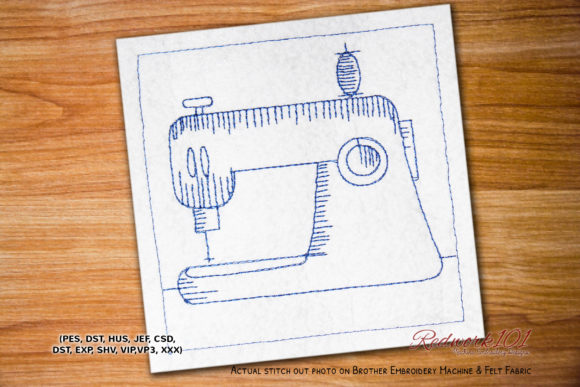
The first impression of Sewing Machine Lineart is undeniably modern and minimal. In a sea of overly busy floral patterns and dense satin-stitch logos, this design offers a breath of fresh air. It feels elegant yet approachable, striking that perfect balance between a professional logo and a charming decorative element. For an Etsy seller or boutique maker, this aesthetic is gold. It screams "curated" rather than "cluttered," which appeals directly to buyers looking for sophisticated, contemporary home decor and accessories.
Visual Impact on Market Products
When I visualize Sewing Machine Lineart on my display table, I immediately see it shining on specific items. The clean lines make it an exceptional tote bag design. On a natural canvas tote, a single-color run of this design looks incredibly chic. It doesn't overwhelm the fabric; instead, it elevates the bag from a generic carrier to a statement piece. Similarly, for apron embroidery, this design works beautifully on the bib or the lower pocket. It adds a touch of personality without interfering with the utility of the garment.
Kitchen textiles are another strong contender. For tea towel embroidery, line art is often superior to heavy fill stitches because it remains soft and flexible after washing. A heavy design can make a tea towel feel stiff and uncomfortable to use, but Sewing Machine Lineart likely maintains the drape of the linen or cotton blend. I can also see this working effectively as an embroidered patch. If applied to denim jackets or canvas backpacks, the defined edges of the line art would pop against textured fabrics, creating a cool, vintage-inspired look that younger demographics love.
However, we must consider where it might struggle. On a curved cap surface, fine line art can sometimes distort if the stitch density is not managed correctly or if the fabric pulls during hooping. While it could work on a structured dad hat, I would recommend testing this carefully before committing to a large batch of caps. For pillow covers, it serves as a fantastic focal point, especially if centered on a solid-colored linen cover. It creates a high-end, designer look that justifies a higher price point for your small shop product lineup.
Production Practicality and Batch Efficiency
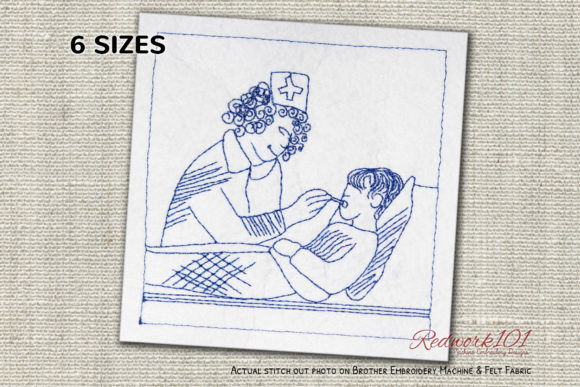
From a production standpoint, time is money. One of the greatest advantages of Sewing Machine Lineart is its potential for speed. Unlike designs with massive fill areas that take hours to stitch out, line art typically runs faster, allowing me to produce more craft fair products in less time. This efficiency is crucial when trying to stock a booth or fulfill custom orders quickly. The description notes that the "Box Stitch shown in the picture is optional," which is a fantastic feature. Having the option to remove the border gives me flexibility. I can use the framed version for patches or labels and the unframed version for direct-to-garment applications where a border might feel too restrictive.
The note regarding the outer box color being different in most designs suggests versatility. As a designer, I love having the freedom to swap thread colors to match seasonal trends or specific brand palettes without needing to edit the file myself. Whether I am using classic navy bluework for a nautical theme or stark white thread on dark denim for contrast, this adaptability makes the digital embroidery file a versatile asset in my library.
Photography is another critical factor for online sales. Line art photographs exceptionally well. It creates clean, crisp images for printable mockup creation and Etsy listings. There is no weird shading or thread shine to manage in post-production. The design translates clearly even in thumbnail sizes, which is vital for scrolling shoppers. This clarity ensures that your design assets look professional across all marketing channels, from Instagram stories to your main website banner.
Critical Considerations for Execution
Despite its strengths, there are technical details we cannot ignore. The success of Sewing Machine Lineart hinges on execution. Because it relies on lines rather than fills, any tension issues or fabric puckering will be immediately visible. You must test the design on scrap fabric that matches your final product exactly. If you are stitching on a textured towel, ensure the needle penetrates cleanly without skipping. On thick fabrics, you may need to adjust your needle size or use a sharper point to prevent deflection.
Stabilizer choice is paramount. For a design like this, a cut-away stabilizer is often safer than tear-away, especially for items that will be washed frequently like aprons and tea towels. Tear-away can leave tiny fibers behind or fail to support the long runs of stitching over time, leading to distortion. Furthermore, if you plan to stitch this on dark fabric, you must verify that the line weight is thick enough to stand out. Thin lines can get lost against busy or dark backgrounds, reducing the visual impact of your finished product.
We also need to address the lack of specific technical data in the initial description. The prompt does not provide exact stitch counts, specific hoop size requirements, or detailed license terms. Before you begin batch production for commercial embroidery, you must verify these details. Check the file properties to ensure it fits your hoop. Confirm the licensing agreement to ensure you are allowed to sell physical goods made with this design. Never assume a file is free for commercial use unless explicitly stated.
Final Verdict for the Handmade Entrepreneur
In conclusion, Sewing Machine Lineart is a powerhouse design for the modern maker. Its minimal aesthetic aligns perfectly with current interior design and fashion trends, making it a high-seller for craft fairs and online boutiques. It offers the dual benefit of quick production times and high visual appeal. Whether you are creating a cohesive line of kitchen goods or adding a subtle branding element to apparel, this design delivers professional results.
To maximize its potential, treat it with the respect it deserves. Use high-quality threads, select the right stabilizer for your fabric texture, and always create a real-world mockup before listing items for sale. By paying attention to these details, Sewing Machine Lineart can become a staple in your catalog, driving buyer engagement and boosting your brand consistency. It is a smart investment for any Etsy seller or creative entrepreneur looking to expand their Sewing and Embroidery offerings with style and efficiency.