Shadow Style Rabbit Design: A Craft Fair Review
As an embroidery designer preparing for a busy weekend at the local artisan market, my table strategy is everything. I need products that stop customers in their tracks, communicate quality instantly, and offer that perfect "handmade" feel without looking amateurish. Today, I am putting the Shadow Style Rabbit Design under the microscope to see if it earns a prime spot on my display rack among my woodland animals collection.
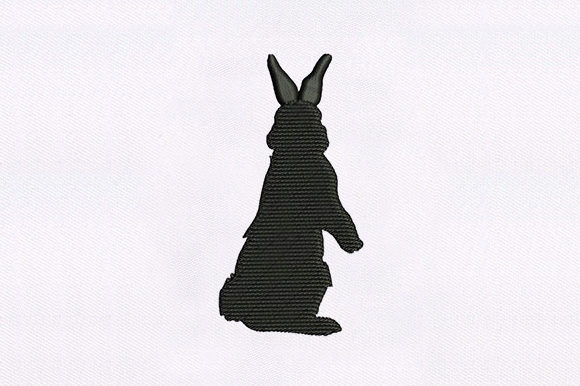
The first impression of this machine embroidery design is striking. The concept of blackwork creating a shadow effect is brilliant for a booth setting. In the often chaotic visual environment of a craft fair, bold contrasts win. This design does not scream "cute" in a childish way; instead, it whispers "modern rustic." It feels elegant yet accessible, fitting perfectly into the current trend of minimalist farmhouse decor. When I imagine this stitched onto a natural linen tote bag, the dark threads against the light fabric create that exact "shadow in the forest" atmosphere described in the product details. It is decorative, slightly mysterious, and undeniably premium.
Visual Impact on Market Products
When evaluating where this Shadow Style Rabbit Design will perform best, I have to think like a buyer walking past my booth. What catches the eye from three feet away?
- Tote Bags and Market Bags: This is the winner. A large format stitch on a canvas or linen tote allows the blackwork details to shine. The high contrast ensures the rabbit silhouette is readable even as a customer walks by quickly.
- Tea Towels and Aprons: These are excellent impulse buys. An apron embroidery featuring this shadow motif appeals to the home cook who loves nature themes. For tea towel embroidery, the linear nature of blackwork holds up well even after washing, provided the stitch density is managed correctly.
- Patches and Pouches: As an embroidered patch, this design could be a standalone seller. Customers love adding patches to denim jackets or backpacks. On small fabric pouches, it serves as a sophisticated focal point rather than a cluttered pattern.
- Pillow Covers: For home decor shoppers, a pillow cover with this design adds a touch of woodland whimsy without being too juvenile. It bridges the gap between nursery decor and adult living room aesthetics.
The versatility of this digital embroidery file is a major asset for a small shop product line. Because the style relies on the interplay of light and dark rather than a rainbow of hues, it simplifies my production workflow. I do not need to constantly change cones of thread. However, I must ensure the thread colors I choose provide enough contrast against the base fabric. A dark grey thread on a navy blue cap might get lost, whereas black thread on cream fabric will pop.
Production Practicality for Sellers
For any Etsy seller or boutique maker, time is money. The question is: how easy is this design to produce in batches? Blackwork designs can sometimes be deceptively dense. If the stitch density is too high, the fabric may pucker, especially on lighter materials like tea towels. Before committing to a full run of craft fair products, I would strongly advise testing the design on scrap fabric that matches your intended inventory.
One critical factor is the hoop size. Since the description mentions the design comes with multiple options (implied by "comes with multiple"), you must verify which size fits your hoop before starting. A design that requires a 5x7 hoop cannot be squeezed into a 4x4 hoop without losing detail or requiring expensive resizing software. Always check the specific dimensions included in your design assets.
Furthermore, consider the fabric texture. Blackwork relies on clean lines. If you are stitching on a highly textured waffle weave or a thick terry cloth towel, the fine details of the "shadow" effect might get swallowed by the fabric loops. Smooth cotton, linen, or twill will yield the crispest finished product. For curved surfaces like caps, ensure the design is digitized specifically for that curvature; otherwise, the shadow illusion might look distorted.
Selling the Mood and Story
In a crowded marketplace, you are not just selling a stitched item; you are selling a feeling. The Shadow Style Rabbit Design sells a story of quiet evenings in the woods. When setting up your booth display, use this narrative. Pair the embroidered items with dried flowers, moss, or wooden elements to reinforce the woodland theme. This creates a cohesive brand experience that increases perceived value.
Photography is equally crucial for online listings. This design photographs exceptionally well because of its graphic nature. When creating a printable mockup or taking photos for your shop, utilize natural lighting to enhance the shadow effect. Avoid harsh flashes that can flatten the texture of the stitches. Show the design on various backgrounds to demonstrate its flexibility as a commercial embroidery asset.
Critical Pre-Production Checklist
Before listing this as a handmade product or incorporating it into your commercial lineup, run through this practical checklist to avoid costly mistakes:
- Test on Scrap: Never stitch directly on your final inventory first. Test on the exact same fabric weight and type.
- Check Stabilizer: Blackwork can be heavy. Ensure you are using the correct cut-away or tear-away stabilizer to prevent sagging over time.
- Review Spacing: Look closely at the negative space. Does the "shadow" look like a rabbit, or just a dark blob? If the details are too tight, they may merge when stitched out.
- Verify Licensing: The description notes the design comes with multiple features, but it does not explicitly state the license terms. Always confirm if the embroidery file allows for unlimited physical sales or if there are restrictions before selling finished goods.
- Contrast Check: Ensure your thread choice maximizes the shadow effect. High contrast is key for this specific style.
Ultimately, the Shadow Style Rabbit Design has strong potential for craft fair success. Its modern aesthetic appeals to a wide demographic, from young parents looking for unique nursery items to adults seeking rustic home decor. By paying attention to fabric choices, stabilizer support, and presentation, this design can become a staple in your Woodland Animals category. It is a reminder that sometimes, what you don't stitch—the shadows and the negative space—is just as important as what you do. With careful execution, this design will not only survive the scrutiny of the market floor but thrive as a top seller.