Aroma Lamp Redwork: A Designer's Review for Business Merch
As an embroidery designer who spends countless hours digitizing and testing files for commercial use, I approach every new machine embroidery design with a critical eye. It is not just about whether the image looks pretty on a screen; it is about how that digital embroidery file translates into a tangible asset for a small business. Today, I am reviewing the Aroma Lamp with Burning Candle Redwork. This specific design caught my attention because of its potential versatility beyond the obvious Bedroom category. While many buyers might initially see this as home decor, my professional assessment suggests it holds significant value for branded merchandise, particularly for businesses in the wellness, hospitality, and handmade sectors.
First Impressions and Visual Personality
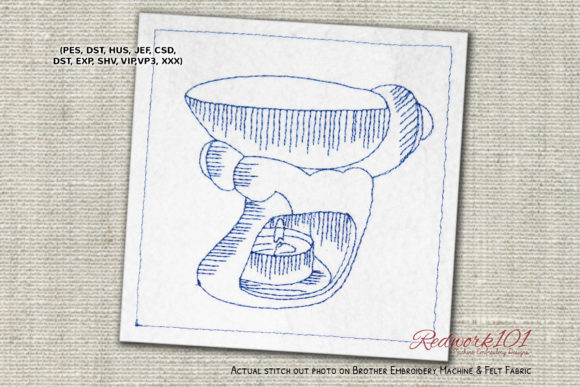
The immediate visual impact of the Aroma Lamp with Burning Candle Redwork is one of warmth and rustic elegance. The "Redwork" style typically implies a single-color outline stitch, often reminiscent of traditional hand-stitching. This gives the design a handmade product feel that is currently very popular among consumers seeking authenticity. Unlike complex, multi-color designs that can look cluttered on small items, this design relies on clean lines and negative space.
The description notes that the box stitch shown in reference pictures is optional. From a branding perspective, this is a crucial detail. It means the core icon—the lamp and candle—can stand alone without a border, offering flexibility for different applications. The aesthetic is friendly yet professional, striking a balance between a cozy, inviting atmosphere and a polished logo mark. For a boutique or a creative studio, this visual language communicates care and attention to detail without being overly ornate.
Real-World Applications for Small Business Merch
When evaluating a design for small business merch, we must look beyond the standard hoop. Here is how I envision the Aroma Lamp with Burning Candle Redwork performing in various commercial scenarios:
- Embroidered Patches: This is perhaps the strongest use case. The clean outlines of a redwork design translate beautifully into a woven or embroidered patch. A local bakery or florist could use this as a seal of quality on their packaging or as a collectible item for loyal customers.
- Staff Uniforms and Aprons: For a spa, yoga studio, or café, apron embroidery needs to be durable and legible. The simplicity of this design ensures it won't get lost in the texture of canvas or twill fabrics. It adds a touch of sophistication to staff attire without looking like a corporate logo.
- Cap Embroidery: Placing this on the side panel of a baseball cap or the front of a beanie works well, provided the size is adjusted correctly. The curved surface of a cap requires a design with good spacing, which redwork generally provides.
- Tote Bag Design: Canvas tote bags are a staple for retail shops. Using this design as a central motif or a pocket accent creates a cohesive brand story, especially for shops selling aromatherapy products or home goods.
- Product Packaging Accents: Imagine this stitched onto a fabric tag attached to a gift box or a drawstring bag. It elevates the unboxing experience, turning a simple transaction into a memorable brand interaction.
Technical Considerations and Production Challenges
While the aesthetic is promising, a professional embroidery file review must address technical limitations. The description mentions that the outer box color varies unless part of the design itself. This variability requires careful management during production. If you are running a batch of uniforms, consistency is key. You must ensure your digitizer or the file provider has locked in the thread colors if uniformity is required across hundreds of units.
There are specific areas where caution is needed:
- Stitch Density and Fabric Texture: Redwork designs usually have lower stitch density, which is great for preventing puckering on lightweight fabrics. However, on heavy textures like thick wool blankets or coarse burlap, the single run stitches might get lost or appear uneven. Always test on the actual fabric texture intended for the finished product.
- Small Patch Sizes: If scaling this down for a small chest logo or a hat emblem, verify that the details of the flame and the lamp base do not merge. Fine details in redwork can disappear if the design is reduced below a certain threshold, typically around 2 inches in width.
- Thread Color Contrast: Since this is likely a single-color or two-color design, the contrast against the garment color is vital. On dark uniforms, a standard red thread might not pop enough. You may need to adjust the thread colors to a brighter orange or gold to maintain visibility and brand recognition.
- Stabilizer Selection: Even with low-density designs, using the proper stabilizer is non-negotiable for commercial durability. Items like aprons and tote bags undergo frequent washing. A cut-away stabilizer is often safer than tear-away for long-term wear to prevent the design from distorting over time.
Impact on Brand Identity and Customer Trust
In the crowded marketplace of custom apparel and handmade goods, visual consistency builds trust. The Aroma Lamp with Burning Candle Redwork offers a unique opportunity to reinforce a brand's identity. For a business selling relaxation or home comfort products, this image serves as a visual shorthand for their value proposition.
When a customer sees this design consistently applied across an apron, a tote bag, and a product tag, it creates a sense of professionalism. It signals that the business invests in quality design assets rather than using generic clipart. This level of detail fosters buyer engagement and can justify a higher price point for the merchandise. It transforms a simple item into a piece of branded storytelling.
Practical Notes for the Embroidery Professional
Before committing to a large production run involving the Aroma Lamp with Burning Candle Redwork, I recommend the following workflow to ensure success:
- Test in Black and White First: Convert your preview to grayscale to check if the design holds its shape without relying on color contrast. This helps identify potential issues with line weight and spacing.
- Verify Hoop Size: Confirm the required hoop size against your machine's capabilities. While the description does not specify exact dimensions, ensure the design fits your available hoops without needing excessive re-hooping, which can cause registration errors.
- Create a Printable Mockup: Before stitching a single thread, create a printable mockup superimposed on photos of your actual garments. Show this to your client for approval to manage expectations regarding size and placement.
- Check Commercial Licensing: This is critical. The description hints at optional elements and color variations, but it does not explicitly state the license terms. Always confirm that the digital embroidery file includes a commercial license allowing you to sell the stitched items. Do not assume; ask the vendor directly.
- Compare Alongside Other Assets: Place this design next to your existing logo and other brand graphics. Ensure the style of the redwork complements your current typography and iconography rather than clashing with it.
In conclusion, the Aroma Lamp with Burning Candle Redwork is a versatile and charming design that transcends its primary categorization. With careful attention to technical details like stabilizer choice, thread contrast, and sizing, it becomes a powerful tool for small business owners and embroidery professionals alike. It bridges the gap between decorative art and functional branding, offering a pathway to create meaningful, high-quality merchandise that resonates with customers.